
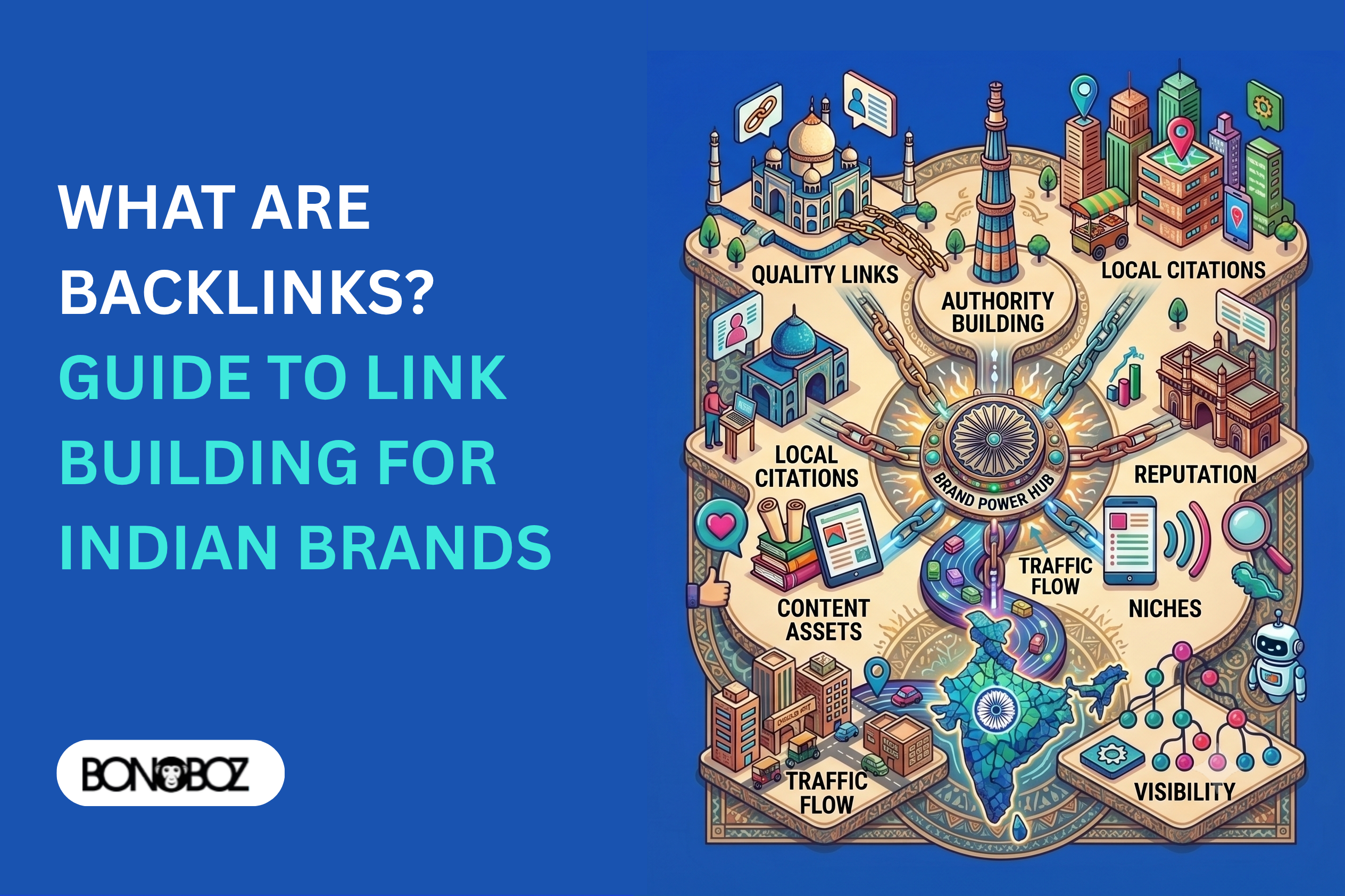
If you run a growing business in India, you have likely received dozens of emails promising top search rankings within thirty days through thousands of instant backlinks. Most of these pitches end in wasted marketing budgets, zero qualified leads, and occasional search penalties.
Providing SEO Services in India is not about buying secret link packages; it is about establishing genuine credibility online. To build real search authority, you need to understand how search engines evaluate external references, what makes a link valuable, and how to avoid vanity metrics that do not help your bottom line.
Key Takeaways
- Backlinks are references from other sites, but quality and topical relevance matter far more than total quantity.
- Search engines view links from reputable domains as trust signals, but links alone cannot fix a poor user experience or an uncompetitive offer.
- Cheap link packages often result in algorithmic penalties that erase organic search traffic overnight.
- A sustainable link strategy requires consistent effort, valuable content, and clear audience targeting.
Understanding the Fundamentals of Backlinks
When clients ask us what is backlinks in seo terms, we keep the explanation simple: a backlink is an HTML hyperlink on another website that points back to yours. If an industry blog references your product and links to your website, that counts as a backlink.
In the early days of digital marketing, agencies treated every link as a universal vote of confidence, driving site owners to hoard as many links as possible. Today, search algorithms are far more sophisticated.
Understanding what are backlinks seo algorithms value requires looking beyond sheer numbers. Search engines analyze domain authority, contextual relevance, anchor text, and user intent. High-quality content provides other websites with a legitimate reason to reference your pages, forming the bedrock of modern organic search performance.
The Role of SEO Backlinks in Modern Search Rankings
Demystifying seo and backlinks starts with setting realistic expectations for your overall marketing strategy. Search engine crawlers use links to discover new web pages and measure domain authority within a given industry. When respected sites in your niche cite your research, guides, or products, search engines infer that your content is trustworthy.
However, acquiring seo backlinks is not a guaranteed shortcut to business revenue. Higher search visibility can bring more visitors to your site, but if your landing pages fail to communicate value or build trust, that traffic will not convert into sales inquiries. Effective backlinks for seo must drive relevant, high-intent traffic to pages capable of turning visitors into clients.
Distinguishing Between Different Types of Backlinks
Not every link carries equal weight. When planning seo backlinking initiatives, you must understand the structural and technical differences between various link types:
- Dofollow Links: The default link attribute. Dofollow links allow search engines to follow the path to your site and pass ranking authority (often referred to as link equity).
- Nofollow Links: Links containing a rel=”nofollow” attribute. These tell crawlers not to pass direct search authority. While they do not pass standard equity, they are essential for driving direct referral traffic and maintaining a balanced, natural link profile.
- Editorial Links: Earned naturally when a journalist, publication, or industry peer references your original research, opinion, or product as an authoritative source.
- Sponsored/Paid Links: Links obtained through sponsorships or paid media. Search engines require these to use specific tags (rel=”sponsored”) to maintain transparency and avoid penalizing your site.
Relying solely on dofollow links can raise red flags with search algorithms, as natural web link profiles contain a organic mix of link types.
Assessing the Value of Your Current Backlink Profile
Before investing in new outreach campaigns, take stock of your existing website backlinks. Many Indian SMEs discover during audits that previous agencies built spammy, low-quality links that actively drag down their organic search performance.
To evaluate your current baseline, use established tools such as Ahrefs, SEMrush, or Google Search Console. Look for:
- Links from irrelevant, low-quality directories or auto-generated sites.
- Unnatural spikes in link volume over short periods.
- Overly aggressive anchor text dominated by exact commercial keywords.
Pruning toxic links and disavowing low-quality domains cleans up your backlink profile, ensuring your ongoing investments in Digital Marketing Services build on a solid foundation.
Step-by-Step Guide to Attracting High-Quality Backlinks
Earning authority requires a deliberate, structured approach rather than automated mass-emailing.
- Publish Utility-Driven Content: Create original research, comprehensive industry reports, calculators, or practical templates that solve real problems for your customers.
- Identify Relevant Niche Partners: Pinpoint non-competing publishers, trade publications, and industry blogs that cater directly to your audience.
- Conduct Targeted, Value-First Outreach: Pitch site owners with clear value—such as offering expert commentary, updating broken references, or sharing unique data—rather than sending generic link request templates.
- Contribute Expert Content: Write thoughtful articles for reputable industry platforms, ensuring the content offers actionable insights rather than aggressive sales pitches.
Consistent execution of these steps builds lasting authority that outlasts search algorithm updates.
Developing a Sustainable Link-Building Strategy for Long-Term SEO
A practical strategy connects backlinks and seo efforts directly to broader business objectives. Organic link growth takes months of disciplined execution, not days.
When managing backlinks in seo campaigns, avoid short-term shortcuts like private blog networks (PBNs) or link exchanges. While these tactics might yield temporary rank gains, search engines consistently update their algorithms to identify and penalize manipulative patterns. Focus instead on brand-building activities, PR outreach, trade media coverage, and high-value resource creation.
Technical Considerations for Securing Authoritative Links
Before pursuing a link from a target website, evaluate its technical health to ensure the connection actively benefits your domain:
- Indexing Status: Verify that search engines regularly index the partner site’s pages.
- Real Traffic Volume: Ensure the domain receives genuine organic traffic, rather than artificially inflated metrics from third-party tools.
- Crawlability and Security: Avoid sites plagued by crawl errors, missing SSL certificates, or suspicious outbound redirect chains.
Applying these technical standards across your backlinking seo activities protects your site against toxic link associations and maximizes the ROI of your outreach.
Local SEO and the Impact of Regional Backlinks
For Indian businesses operating in specific cities or geographical regions, local link relevance often carries more weight than broad national domain authority. Doing Local SEO is getting a backlink from a city trade body, regional news outlet, or verified local directory provides clear geographic signals to search engines.
If you operate a regional manufacturing plant, retail network, or professional services firm, focus on local partnerships, regional business chambers, and local event sponsorships. These links strengthen local search presence and attract high-intent local prospects.
Common Mistakes to Avoid in Your Backlinking Journey
Protect your business from common SEO traps that drain marketing budgets without delivering results:
- Buying Low-Cost Link Packages: Automated link services sell thousands of useless forum or blog comment links that invite search penalties.
- Over-Optimizing Anchor Text: Forcing exact commercial phrases (e.g., “cheap logistics firm India”) into every link looks manipulative to search engines.
- Ignoring Unlinked Brand Mentions: Track online mentions of your brand name. Reaching out to sites that mention you without linking is often the easiest way to secure a contextual backlink.
- Prioritizing Volume Over Context: Ten relevant links from respected industry sites deliver significantly more business value than hundreds of links from irrelevant domains.
Measuring the Success of Your Backlink Campaigns
Move past vanity metrics like total link counts or arbitrary third-party scores. Evaluate your link-building campaigns using metrics tied to commercial performance:
- Referral Traffic: Measure the number of qualified visitors clicking through to your website from external links.
- Keyword Rank Tracking: Monitor search position movement for strategic non-brand search terms over three-to-six-month periods.
- Organic Conversions: Track whether traffic landing on linked pages translates into form fills, demo requests, or phone calls.
Focusing on these performance metrics keeps your marketing team accountable and ensures your SEO strategy supports business growth.
Grounded Takeaway
Building website authority is an ongoing operational commitment, not an overnight growth hack. By focusing on useful content, verified industry relationships, and clean technical foundations, you build a resilient online presence that drives organic traffic, customer trust, and long-term revenue.
Frequently Asked Questions
1. What are backlinks in SEO and why do search engines care about them?
Backlinks are hyperlinks from third-party websites pointing to your site. Search engines treat them as external citations, using them to discover content, establish context, and evaluate overall website trust.
2. How long does it take to see tangible results from backlink campaigns?
In competitive markets, it typically takes three to six months of consistent link building to observe noticeable improvements in search rankings and referral traffic.
3. Should I buy link packages promising page-one rankings?
No. Purchasing bulk link packages violates search engine quality guidelines. These schemes usually involve automated link networks that trigger algorithmic or manual search penalties.
4. What is the difference between dofollow and nofollow links?
Dofollow links allow search engines to crawl through and pass authority to your site. Nofollow links tell search engines not to pass direct equity, though they still generate valuable referral traffic.
5. How do I check my current website backlinks for spam?
Use tools like Google Search Console, Ahrefs, or SEMrush to review referring domains, anchor text distribution, and link quality. Disavow links coming from suspicious or malicious domains.
6. Why are local backlinks important for Indian SMEs?
Regional links from local chambers of commerce, regional news platforms, and city directories help search engines connect your business to specific geographic regions, improving visibility for local customer searches.
7. What metrics matter most when tracking link-building ROI?
Focus on referral traffic volume, organic rank movement for core commercial keywords, and lead conversions generated from linked landing pages.
8. How does content quality affect backlinking performance?
High-quality, informative content gives third-party websites a compelling reason to link to you naturally. Without solid content, link outreach efforts become significantly harder and less cost-effective.
Related Articles:
- Why SEO Impressions Matter for Long-Term Business Growth?
- 2016 to 2026: How SEO Has Transformed Over the Past Decade
- 8 Link Building Methods That Work in 2026 and Why They Matter for SEO
