
Many businesses invest in digital marketing only to find that high traffic numbers do not automatically translate into a recognizable brand or actual sales. If you have ever been burned by an agency promising quick rankings, you already know that visibility alone is not enough. True search engine optimization is about building long-term recognition so that when a prospect is ready to buy, your name is the one they trust.
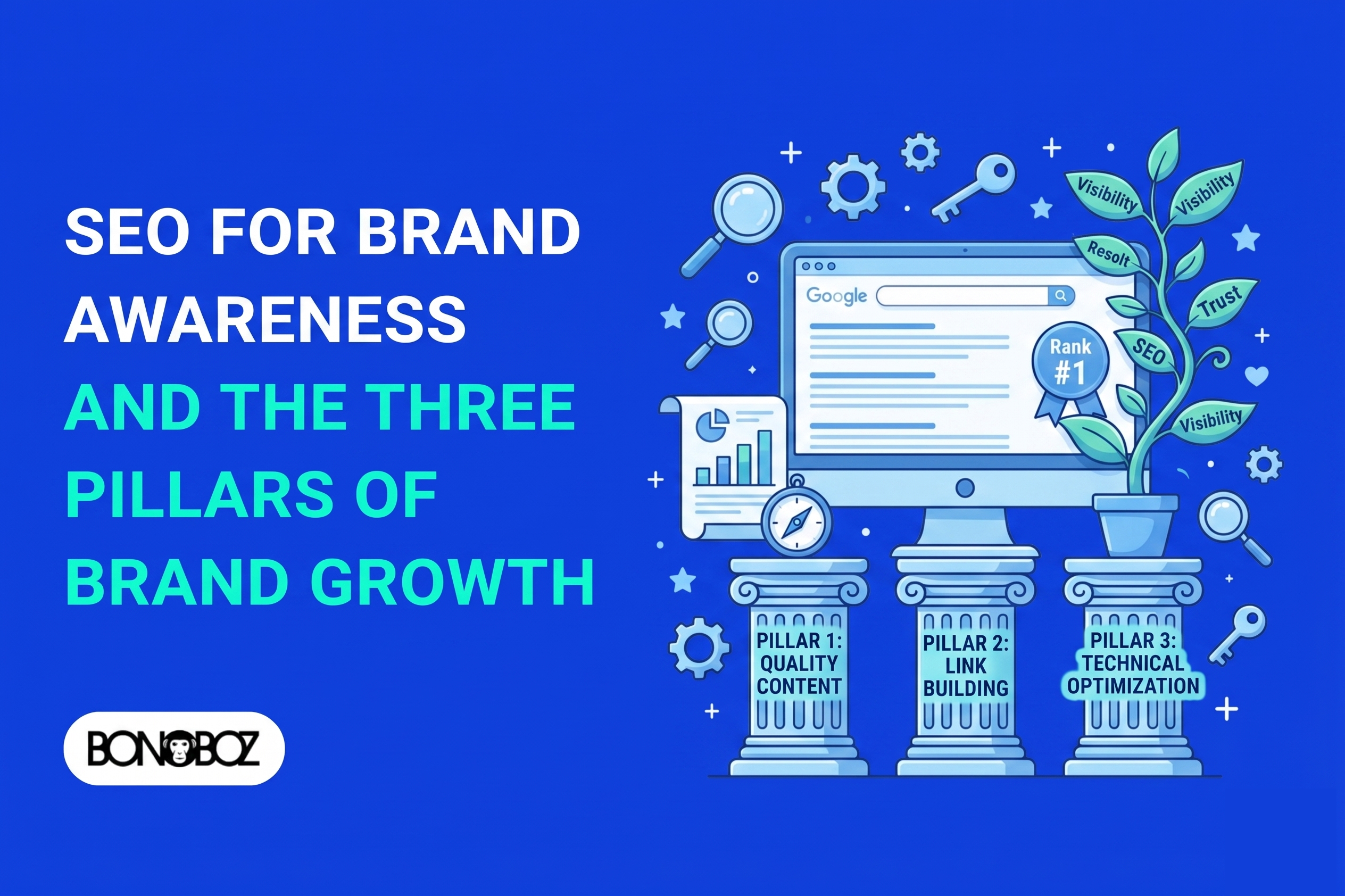
To build an effective strategy for seo for brand awareness, you need to focus on three practical areas: technical stability, useful content, and real domain authority. When these three elements work together, your website becomes an asset that consistently represents your business.
Key Takeaways
- Search visibility should drive business clarity, not just vanity traffic numbers.
- Technical health is the absolute baseline; if your site is broken, no amount of marketing will save it.
- Honest content builds genuine customer trust and keeps visitors on your page longer.
- Domain authority must be earned through real credibility, signaling value to both users and search engines.
- A unified approach stops you from wasting money on fragmented, short-term marketing tactics.
The Intersection of SEO and Brand Awareness
Search behavior is shifting, making the relationship between seo and brand awareness critical for any growing business. Too many companies treat SEO as a isolated technical chore handled in the background. In reality, it dictates how a user experiences your brand for the first time.
Positioning your business effectively in search results through our SEO Services in India, means being present when a customer is looking for a solution to a specific problem. This initial touchpoint is what transforms a casual browser into an intentional buyer over time.
Defining Brand Awareness in the Digital Age
In the current market, brand awareness cannot be measured simply by how many people recognize a logo. It is about whether your business appears as a credible solution when a customer actively searches for help. True awareness means your brand is associated with utility and reliability.
To achieve this, your digital presence must remain consistent. Real brand awareness relies on three elements:
- Consistent Messaging: Ensuring your brand voice and core value proposition look the same on every page.
- Search Intent Alignment: Delivering the exact information or service the user expects when they click your link.
- Authority Building: Establishing your website as a dependable source of information within your specific industry.
How Search Engines Influence Consumer Perception
Search engines like Google function as modern trust filters. A business that consistently ranks well for relevant industry terms gains immediate credibility, often before the user even clicks through to the website.
However, the rise of AI summaries and voice search has made the landscape more complex. Users frequently look for quick, direct answers without navigating through multiple pages. This means your visibility strategy must evolve; you can no longer rely solely on traditional blue links to get noticed.
Adapting to these technical changes ensures your business remains visible as search behavior automates. For brands operating in India, staying aligned with these updates is a matter of basic competitiveness.
Why Brand Visibility Matters in the Indian Digital Market
Breaking through the noise in India is uniquely challenging due to diverse user habits and rapid digital adoption across regions. The market is vast, highly competitive, and overwhelmingly mobile-first.
To succeed here, businesses must look beyond generic SEO templates. You need a strategy that acknowledges how the Indian consumer researches, compares, and buys products online.
Adapting to the Unique Indian Search Landscape
The Indian search ecosystem is increasingly multilingual and localized. Effective seo brand awareness requires reaching users who may prefer searching in regional languages or local dialects.
Furthermore, because the majority of Indian users access the internet via smartphones—often on fluctuating networks—your website must be highly optimized for mobile devices. Fast loading times and lightweight pages are not optional features; they are foundational requirements for search rankings and user retention.
The Role of Trust in Consumer Decision-Making
Indian consumers are naturally cautious buyers who heavily rely on reviews, peer recommendations, and proven credibility before committing to a purchase. You can use SEO to actively demonstrate that your business is legitimate and reliable.
By consistently providing transparent, accurate information, you lower the barrier to entry for new customers. This steady online presence builds the practical confidence required to turn skeptical browsers into repeat buyers.
The Three Pillars of SEO for Brand Awareness
Sustainable search performance does not happen by accident or through short-term tricks. It requires a balanced management of the three primary pillars of SEO. These pillars provide the structural stability needed to maintain visibility over time.
A healthy brand requires more than a temporary spike in traffic. It needs a deliberate strategy that satisfies both human users and search algorithms. Focusing on these three core areas creates a foundation that survives algorithm updates and changing market trends.
Understanding the Core Framework of SEO Success
The three pillars of SEO consist of technical optimization, content strategy, and off-page reputation signals. Each component plays a specific role in making your business discoverable and credible.
| Pillar | Primary Focus | Impact on Brand |
| Technical SEO | Site Architecture & Speed | Ensures seamless user access and prevents frustration. |
| Content Strategy | Value & Practical Relevance | Builds customer trust by answering real questions. |
| Off-Page SEO | Digital Reputation | Increases market recognition through authentic mentions. |
Technical SEO as the Foundation for Brand Trust
Technical SEO is the baseline of your digital credibility. If your website is broken, slow, or difficult to navigate, even the best marketing copy will not save your campaign. Resolving these backend issues is the first step toward long-term digital growth.
Ensuring Search Engines Can Crawl and Index Your Site
If search engine bots cannot properly crawl your website, your business remains invisible to potential customers. Basic seo optimization requires properly configuring your robots.txt file and maintaining a clean, updated sitemap to ensure all your critical business pages are indexed.
User-agent: *
Disallow: /wp-admin/
Allow: /wp-admin/admin-ajax.php
Sitemap: https://www.yourdomain.com/sitemap_index.xml
Regular technical audits help identify broken links, redirect loops, and crawl errors that quietly drain your search performance. A well-maintained site structure signals to search platforms that your business is professional and active.
Optimizing for a Smooth User Experience
In a competitive marketplace, user experience is a direct reflection of your operational standards. Visitors expect a website to load instantly and function perfectly across all devices.
The Impact of Page Speed on Brand Perception
Slow page speed directly damages your reputation. If a page takes too long to load, users will leave and click on a competitor’s link, leading to high bounce rates and lower search rankings. Speed is a practical demonstration of your commitment to user convenience.
Addressing these technical realities ensures your site is capable of converting incoming traffic into actual inquiries. Regular technical upkeep provides a stable environment for all your subsequent marketing efforts.
Content Strategy and the Power of Authoritative Information
Building a recognized brand requires more than just ranking for high-volume keywords. It demands an honest, authoritative content strategy that addresses the actual pain points of your target audience.
Creating Engaging Content That Builds Trust
Modern content marketing should answer the real questions your sales team fields every week. By producing straightforward, clear resources, you demonstrate actual expertise instead of just claiming it.
Authentic content focuses on solving a specific user problem rather than forcing a premature sales pitch. It is the most reliable way to prove your real-world capability online.
Using Schema Markup to Help Search Engines Understand Your Brand
Technical precision is just as important as clear writing. Implementing structured data (schema markup) helps search engine crawlers accurately parse your business details, such as address, reviews, and product listings. This clear formatting helps your business stand out more effectively in standard search results.
Developing Content That Answers Specific User Queries
Successful organic traffic comes from matching long-tail search queries with highly specific answers. By identifying the exact phrases your target customers use, you can publish articles that offer genuine utility, positioning your brand as the logical choice in your space.
Off-Page SEO and Building Brand Authority
Off-page seo acts as external verification of your business’s credibility. While your website is your primary digital storefront, external links and mentions prove to search engines that your business has a real-world reputation.
The Role of High-Quality Backlinks in Brand Recognition
High-quality SEO backlinks are effectively digital endorsements from other web entities. When reputable, industry-specific websites link back to your content, search engines view it as a validation of your authority.
Genuine link building prioritizes quality over sheer volume. A single link from an established Indian industry publication or verified business association carries far more value than dozens of low-quality links from generic link farms. Focus on earning mentions through real insights and proprietary data.
Establishing Authority Through Digital PR
Digital PR focuses on earning your brand mentions in online news outlets, industry blogs, and business podcasts. This real exposure builds natural, unforced visibility that drives both traffic and credibility.
Conclusion
Building real online visibility requires consistent effort and realistic expectations. The businesses that succeed in India are those that prioritize building long-term user trust over chasing temporary algorithm loopholes.
True digital growth comes from making steady, unglamorous improvements to your site’s technical stability, content depth, and backlink quality. Instead of relying solely on automated reporting dashboards that highlight vanity metrics, take a more strategic approach, just as a leading Digital Marketing Agency in Ahmedabad, Bonoboz, would when building long-term organic success. Open your search console data today, identify where real users are dropping off, and focus your efforts on fixing those practical gaps first.
FAQs
1. What are the 3 pillars of SEO and how do they impact overall brand visibility?
SEO is built on technical health, content strategy, and off-page reputation. Technical SEO ensures your site works perfectly, content strategy answers user questions to build trust, and off-page signals prove your business is reputable to search engines.
2. How do modern search engine algorithms and AI influence brand awareness campaigns?
Modern search engines use AI to answer user queries directly within search results. To stay visible, your brand must offer clear, direct answers to specific industry questions so that AI models use your data as a primary, trusted source.
3. Why is local SEO critical for building a brand in the competitive Indian digital market?
India is too diverse for a single, generic national strategy. Local SEO allows you to target specific regional audiences via your Google Business Profile and localized content, capturing high-intent regional buyers efficiently.
4. How does technical SEO serve as a foundation for search engine optimization success?
Without proper technical SEO, search engine bots cannot index your pages, meaning your content won’t rank. Ensuring fast page speed, mobile compatibility, and proper site architecture is the baseline requirement for any digital strategy.
5. What role does content strategy play in answering a specific user query and building authority?
A practical content strategy focuses on creating straightforward resources that address actual customer problems. Doing this consistently positions your brand as an expert in your industry and uses clear schema markup to help search engines display your information accurately.
6. How do off-page SEO and link building contribute to brand recognition and trust?
Off-page SEO and link building provide external validation of your business. Earning links from trusted, established industry publications proves to search engines that your brand is a legitimate operation worth recommending to users.
7. What is the difference between branded and non-branded search traffic for SEO performance?
Branded traffic comes from users who already know your name and search for it directly. Non-branded traffic comes from users searching for a general solution or service. A balanced strategy uses non-branded search to find new customers and branded search to close them.
8. How can social media marketing be integrated with SEO for a holistic online presence?
Social media activity does not directly change your search rankings. However, sharing your content across social networks boosts visibility, drives direct traffic to your site, and increases the likelihood that people will search for your brand name later.
9. How should an SEO agency use Search Console to measure SEO performance and brand growth?
An honest SEO agency uses Search Console to monitor real search impressions, click-through rates, and changes in branded search volume. This performance data shows whether your search visibility is turning into actual human interest.
Related Articles:
- Why SEO Impressions Matter for Long-Term Business Growth?
- What Are Backlinks? A Practical Guide to Link Building for Indian Brands
- 2016 to 2026: How SEO Has Transformed Over the Past Decade
